How AI and Automation Are Reshaping Real Estate Lead Generation

James
Author

I remember when generating real estate leads meant showing up to every networking event in town, hoping someone would mention they knew someone thinki...
I remember when generating real estate leads meant showing up to every networking event in town, hoping someone would mention they knew someone thinking about buying or selling. Those days of relying purely on chance encounters and old-school relationship building are rapidly becoming a thing of the past.
The real estate industry is experiencing a technological revolution that's fundamentally changing how agents generate and nurture leads. Artificial intelligence and automation aren't just buzzwords anymore – they're becoming essential tools that smart agents use to build consistent, predictable businesses.
The Death of Traditional Lead Generation
Let's face it: the traditional methods of generating real estate referrals were exhausting and unpredictable. You'd spend hours at chamber of commerce meetings, local business mixers, and community events, exchanging business cards and hoping for the best. The problem with this approach wasn't just the time investment – it was the complete lack of control over your lead flow.
I've watched countless agents burn out trying to maintain relationships with dozens of potential referral sources, only to have months go by without a single quality lead. The feast-or-famine cycle was brutal, and it made it nearly impossible to scale a business effectively.
Today's technology is solving these problems in ways we couldn't have imagined just a few years ago. AI-powered platforms can now identify potential leads, predict buying behavior, and even automate initial contact sequences that feel personal and relevant.
How AI Is Changing the Game
Artificial intelligence in real estate isn't about replacing human connection – it's about making those connections more meaningful and efficient. Modern AI systems can analyze massive amounts of data to identify patterns that human agents might miss.
For example, AI can track online behavior to identify when someone starts researching home prices in a specific area, or when they begin following real estate content on social media. These digital breadcrumbs create a much more accurate picture of someone's likelihood to buy or sell than traditional demographic data ever could.
The really exciting part is how AI can personalize outreach at scale. Instead of sending the same generic message to everyone in your database, AI can craft personalized communications based on individual preferences, browsing history, and engagement patterns. This means your follow-up sequences actually feel relevant to the person receiving them.
Automation That Actually Works
While AI identifies opportunities, automation handles the heavy lifting of consistent communication. The key difference between modern automation and the spam-like marketing of the past is sophistication and timing.
Today's CRM systems can automatically segment leads based on their behavior and stage in the buying process. Someone who just started looking at homes gets different content than someone who's been actively searching for three months. The system can automatically adjust messaging frequency, content type, and communication channels based on how each lead responds.
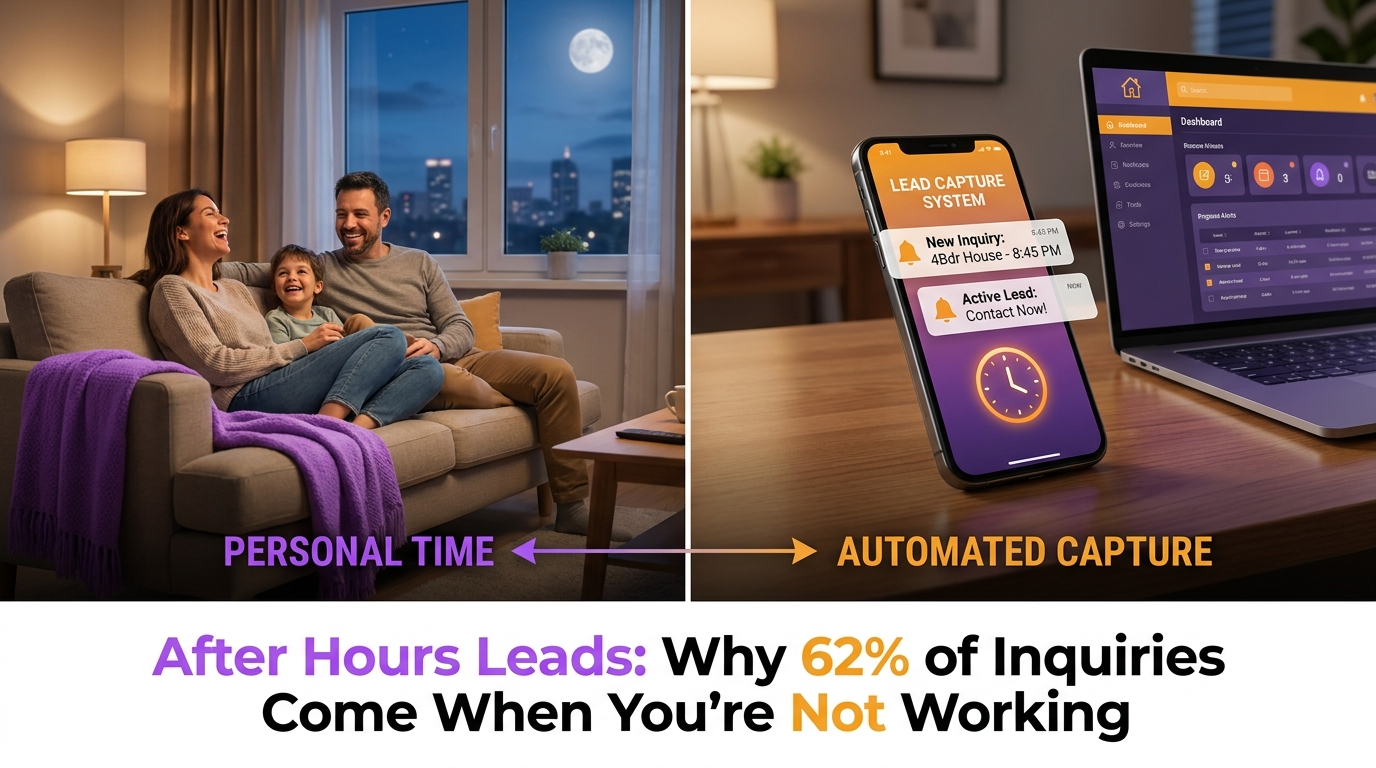
I've seen agents who struggled to follow up with leads within 24 hours now responding to inquiries within minutes thanks to automated systems that instantly categorize and route leads to the appropriate workflow.
The New Referral Landscape
Perhaps the most significant change is how referrals themselves are generated and managed. Traditional referral networks were limited by geography and personal connections. If you didn't know someone in a particular area or demographic, you were out of luck.
Modern referral platforms use technology to match agents with leads regardless of personal networks. These systems can identify potential clients anywhere and connect them with the most appropriate agent based on expertise, location, and availability rather than who happens to know whom.
This democratization of referrals means agents no longer need to rely solely on their personal network or spend years building relationships in their community. Technology can instantly connect you with qualified prospects who are actively looking for your services.
The Human Element Still Matters
Despite all this technology, the human element remains crucial. AI and automation handle the identification and initial contact, but building trust and closing deals still requires human expertise and emotional intelligence.
The most successful agents I know use technology to handle the repetitive tasks – lead identification, initial outreach, follow-up scheduling – so they can focus their time on high-value activities like consultations, negotiations, and client service.
This shift allows agents to work with more clients without sacrificing service quality. When technology handles lead nurturing and scheduling, agents can dedicate more focused time to each client during crucial decision-making moments.
Overcoming the Learning Curve
The biggest challenge most agents face isn't the technology itself – it's changing their mindset about how lead generation works. After years of relying on personal relationships and networking events, trusting an automated system to generate quality leads feels risky.
The agents who succeed with these new tools start small and gradually expand their use as they see results. They don't abandon traditional methods overnight but instead use technology to supplement and enhance their existing efforts.
Many agents are surprised to discover that AI-generated leads often convert better than traditional referrals because the timing is more precise. Instead of someone mentioning they "might" want to sell next year, AI identifies people who are actively researching the market right now.
Looking Forward
As these technologies continue to evolve, we're moving toward a future where lead generation becomes increasingly predictable and efficient. Agents who embrace these tools now will have a significant advantage over those who stick to traditional methods.
The real estate industry has always been about connecting people with properties, but technology is making those connections happen faster and more accurately than ever before.
If you're tired of the unpredictable nature of traditional lead generation and want to build a more consistent business, it's time to explore how modern technology can transform your approach. Platforms like Referral Flex combine AI-powered lead identification with automated nurturing systems to deliver consistent monthly referrals without the high fees and uncertainty of traditional methods.
The future of real estate lead generation is here – and it's more efficient, predictable, and profitable than anything we've seen before.