The Real Cost of Converting an Online Lead in 2026

James
Author

If you've been buying online leads thinking they're your ticket to consistent closings, the numbers might shock you. After analyzing thousands of lead...
If you've been buying online leads thinking they're your ticket to consistent closings, the numbers might shock you. After analyzing thousands of lead interactions across multiple markets, the reality of online lead conversion in 2026 is far more challenging than most agents realize.
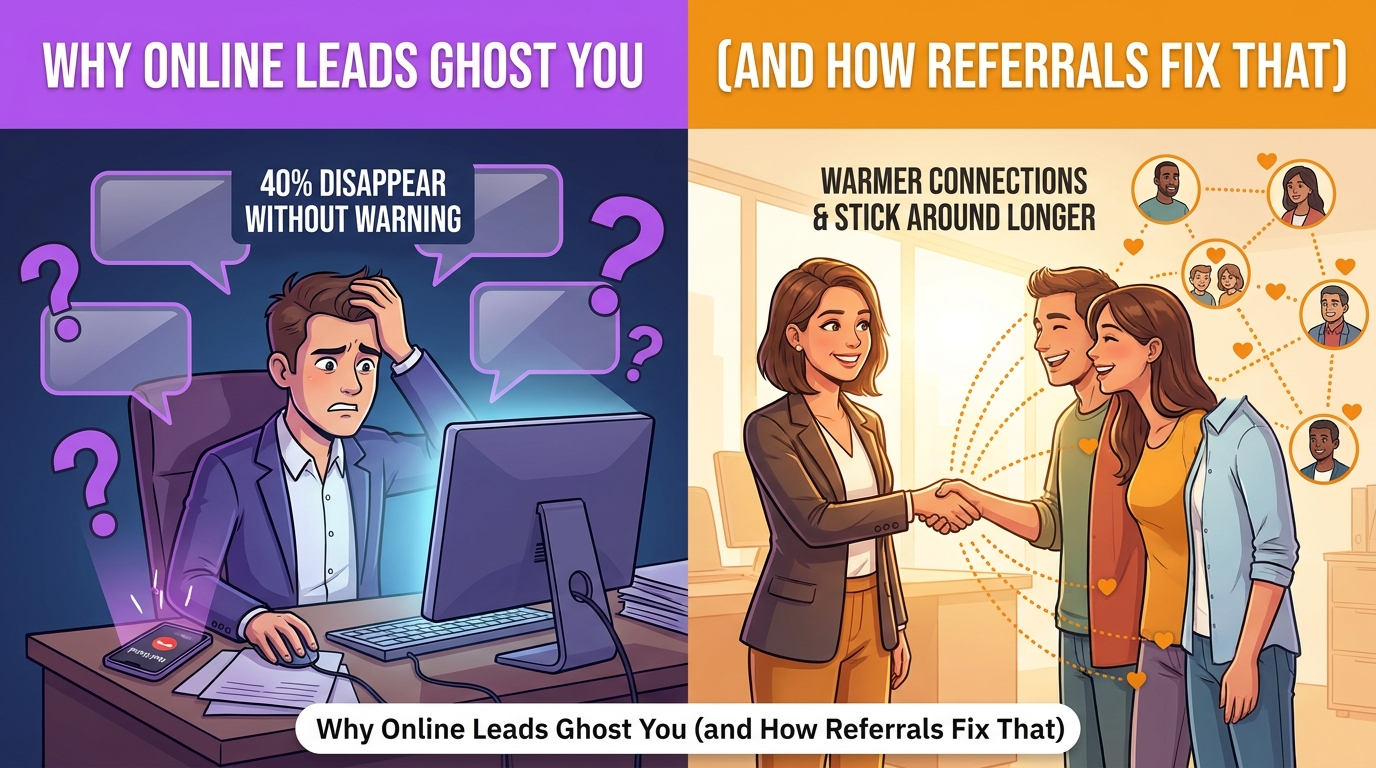
The statistics paint a sobering picture: over 70% of online real estate leads require at least five contact attempts before they'll even engage in conversation. Of those who do respond, only 1.5% will actually make it to closing. And here's the kicker – the average conversion timeline stretches between 6 to 18 months.
The Hidden Time Investment Most Agents Miss
When you purchase online leads, you're not just paying for a name and phone number. You're signing up for a marathon, not a sprint. Let me break down what those five-plus contact attempts actually look like in practice.
Your first call goes to voicemail. No surprise there – 89% of online leads don't answer unknown numbers. So you leave a professional message and send a follow-up text within an hour. Still nothing.
Day two: another call, another voicemail, this time with a different approach. You send an email with local market insights. By day three, you're trying different times – maybe they're busy during work hours. Evening call, weekend text, you name it.
Most agents give up after attempt three or four, but the data shows that's exactly when you're about to break through. The fifth contact attempt has a 23% higher response rate than the fourth, yet only 31% of agents make it that far.
The Multi-Channel Marathon
Successful online lead conversion isn't just about persistence – it's about strategic multi-channel follow-up. The agents who actually convert these leads use a combination of phone calls, text messages, emails, social media connections, and sometimes even direct mail.
Here's what a typical successful conversion sequence looks like:
- Day 1: Phone call + text message
- Day 2: Email with market report
- Day 4: Phone call + LinkedIn connection request
- Day 7: Text with neighborhood insight
- Day 10: Phone call + email newsletter signup
- Day 14: Handwritten note or direct mail piece
- Day 21: Phone call + video message
And this is just to get them to respond. Actually converting them to a client who closes? That's where the 6-18 month timeline comes into play.
Why Most Agents Quit Too Early
The frustration is real. You're making calls to people who seem completely uninterested, sending emails that rarely get opened, and wondering if you're wasting your time. Most agents throw in the towel around week two, convinced the leads are "bad quality."
But here's what's actually happening: online leads are typically in the very early stages of their real estate journey. They might have just started browsing homes online, maybe they're thinking about selling in the next year, or perhaps they're just curious about market values. They're not ready to act immediately, which is why the conversion timeline is so extended.
The agents who stick with it understand that they're playing a long game. They build systems to stay in touch consistently without burning out. They use CRM tools to automate some touchpoints while keeping others personal. Most importantly, they manage their expectations and don't expect immediate results.
The Real Financial Cost
Let's talk numbers. If you're paying $50 per online lead and only 1.5% convert, you need to purchase about 67 leads to close one transaction. That's $3,350 in lead costs alone, not counting your time investment.
Factor in the hours spent on follow-up – conservatively 30 minutes per lead across all those touchpoints over months – and you're looking at over 30 hours of work per closed transaction just from lead nurturing. At a $50/hour value of your time, that's another $1,500.
So your true cost per online lead conversion is approaching $5,000 before considering marketing tools, CRM subscriptions, and other operational expenses.
The Referral Lead Alternative
This is exactly why savvy agents are shifting their focus to real estate referrals instead of chasing online leads. Referral leads arrive with something money can't buy: built-in trust.
When someone refers a friend or family member to you, that referral comes with an implicit endorsement. The prospect isn't wondering if you're legitimate or competent – they already have social proof from someone they trust. This dramatically reduces the time and effort needed to build rapport and establish credibility.
More importantly, referral leads are typically much closer to making a decision. They're not browsing out of curiosity; they have a genuine need and are actively seeking help. While online leads might convert in 6-18 months, referral leads often move to contract within 30-60 days.
The numbers speak for themselves: referral leads have a conversion rate of approximately 15-20%, compared to that dismal 1.5% for online leads. Even with a higher upfront cost, the return on investment is substantially better.
Building a Sustainable Lead Generation Strategy
Smart agents aren't putting all their eggs in one basket. They understand that sustainable success comes from diversified lead generation that includes referrals as a cornerstone strategy.
While you're grinding through those 67 online leads hoping for one closing, an agent focused on referrals might close 3-4 transactions from the same investment of time and energy. The math is compelling, but more importantly, the work is more enjoyable when you're dealing with people who actually want to work with you.
The key is finding a reliable source of referral leads that can provide consistency month after month. That's where services like Referral Flex come in, offering exclusive real estate referrals with lower fees than traditional online lead sources, plus the tools and CRM system to help you nurture those relationships effectively.
If you're tired of the online lead conversion grind and ready to work with prospects who are actually ready to move forward, it might be time to explore what consistent referral leads could do for your business. Check your territory to see what referral opportunities are available in your market – the difference in conversion rates alone makes it worth investigating.