Building a Referral Pipeline Without Spending Every Weekend at Networking Events

James
Author

I used to think the only way to build a solid referral network was to show up at every networking event in town. Chamber of commerce breakfast meeting...
I used to think the only way to build a solid referral network was to show up at every networking event in town. Chamber of commerce breakfast meetings, real estate meetups, after-hours mixers - you name it, I was there with my stack of business cards and elevator pitch ready to go.
The problem? My weekends started disappearing. Instead of spending time with family or actually enjoying some downtime, I was schmozing at yet another "wine and network" event, hoping to meet that one person who might send me a referral someday.
After burning out on this approach, I discovered there are much more efficient ways to build a referral pipeline that don't require you to become a professional networker. Here's what actually works in today's market.
Why Traditional Networking Falls Short
Don't get me wrong - networking events can be valuable. But they're incredibly time-intensive for what you get back. Think about it: you spend 3-4 hours at an event, meet maybe 10-15 people, exchange business cards with half of them, and follow up with a few. Out of that group, maybe one person will actually remember you months later when they need a real estate agent.
The math just doesn't add up when you consider the opportunity cost. Those are hours you could be spending with existing clients, following up on leads, or working on marketing strategies that reach hundreds of potential referral sources at once.
Digital-First Referral Building Strategies
The most successful agents I know today have shifted to digital-first approaches for building their referral networks. Here's what's working:
LinkedIn Outreach That Actually Works
LinkedIn is basically networking events on steroids, but without the small talk and expensive drinks. I spend about 30 minutes each morning connecting with local business owners, mortgage brokers, and other professionals who work with homebuyers and sellers.
The key is being genuinely helpful rather than immediately asking for referrals. Share market insights, comment thoughtfully on their posts, and offer value before ever mentioning your services. This approach has generated more quality referrals for me than months of in-person events.
Content Marketing for Referral Generation
When you create valuable content about your local market, you position yourself as the go-to expert that other professionals want to refer to. I started a simple monthly market report that I email to about 200 local business owners and professionals.
This report takes me maybe 2 hours to create each month, but it keeps me top-of-mind with potential referral sources year-round. Compare that to attending 4-5 networking events per month, and the ROI is clear.
Leveraging Your Existing Client Base
Your past clients are your best referral source, but most agents don't have a systematic approach to staying connected with them. I set up a simple email sequence that goes out to past clients at 1 month, 6 months, and annually after closing.
These aren't salesy emails - they're genuine check-ins asking how they're settling in, sharing neighborhood updates, or offering seasonal home maintenance tips. About 30% of my business now comes from referrals from past clients, and it's all automated.
Building Referral Partnerships Virtually
Some of my strongest referral relationships started with a simple email or LinkedIn message. I identified complementary service providers - home inspectors, contractors, mortgage brokers, financial advisors - and reached out with a specific value proposition.
Instead of meeting for coffee (which often leads nowhere), I suggest a brief 15-minute video call to discuss how we might refer clients to each other. These virtual meetings are more focused and efficient than in-person meetups, and they respect everyone's time.
Creating Referral Incentive Programs
I've found that having a clear, documented referral program makes it easier for people to remember to refer you. I created a simple one-page flyer outlining my referral rewards program and share it with potential referral sources.
The program includes both monetary incentives and non-monetary perks like priority service for their own real estate needs. Having this formalized system makes the referral process feel more professional and legitimate.
The Power of Consistent, Exclusive Referrals
While building your own referral network is important, it takes time to see consistent results. The most successful agents I know supplement their organic referral building with more reliable sources.
This is where services that provide exclusive real estate referrals become valuable. Instead of competing with other agents for the same leads or hoping your networking efforts pay off, you can have a steady stream of referrals coming in while you build your longer-term relationships.
What makes this approach even better is when these referral services offer low referral fees, so you're not giving away huge chunks of your commission just to get leads. The key is finding a source that provides truly exclusive leads rather than selling the same lead to multiple agents.
Measuring and Optimizing Your Referral Pipeline
The beauty of digital referral building is that everything is trackable. I keep a simple spreadsheet tracking where each referral comes from, which strategies are working best, and what my cost per referral is for different approaches.
This data helps me double down on what's working and eliminate time-wasting activities. For example, I discovered that my LinkedIn outreach generates referrals at about 1/10th the time investment of networking events, so I shifted more of my efforts there.
Building Systems, Not Just Relationships
The biggest shift in my thinking was moving from trying to build individual relationships to building systems that generate referrals consistently. Instead of hoping that the person I met at last month's mixer remembers me, I have automated follow-up sequences, content marketing campaigns, and referral tracking systems working for me 24/7.
This doesn't mean relationships aren't important - they absolutely are. But when you have systems in place, you can focus on building deeper, more meaningful relationships with the people who are actually sending you referrals, rather than spreading yourself thin across dozens of surface-level connections.
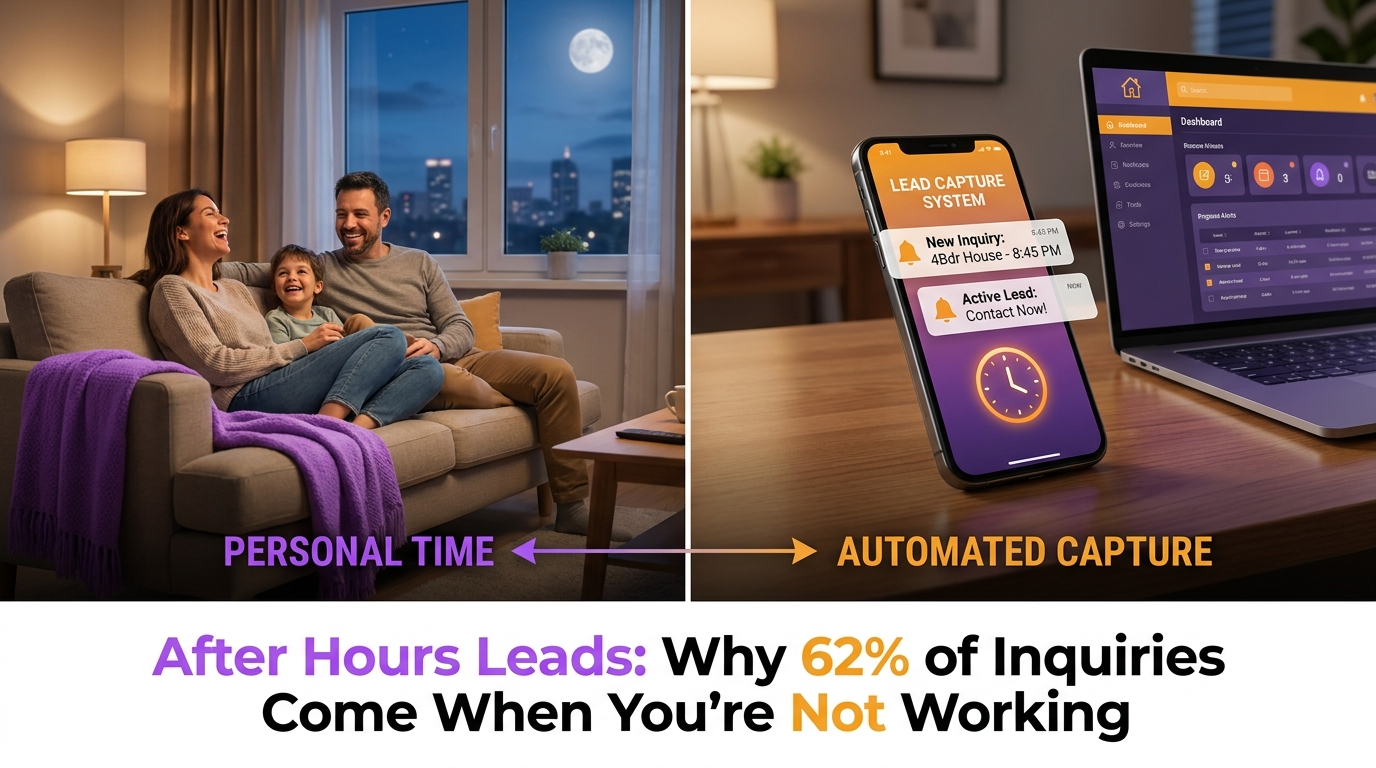
The goal is to create a referral pipeline that works even when you're not actively working on it. Whether you're showing properties, spending time with family, or taking a vacation, your referral system should continue generating opportunities.
If you're tired of spending every weekend at networking events with little to show for it, it might be time to explore more consistent approaches to generating referrals. A reliable stream of exclusive leads can give you the foundation you need while you build your longer-term referral relationships more strategically.