What Opendoor's $4 Billion Loss Teaches Us About the Future of Real Estate

James
Author

When Opendoor went public in 2020, they had a bold vision: revolutionize real estate by cutting out agents entirely. Their "instant offers" and algori...
When Opendoor went public in 2020, they had a bold vision: revolutionize real estate by cutting out agents entirely. Their "instant offers" and algorithmic pricing were supposed to make buying and selling homes as easy as ordering takeout. Fast forward to today, and they've burned through nearly $4 billion, faced CEO departures, stock delisting threats, and made a complete strategic pivot.
Now they're launching programs like Key Connections - essentially partnering WITH the very agents they once promised to eliminate. It's one of the most expensive lessons in business history, but it teaches us something crucial about the future of our industry.
The Algorithm Problem
Opendoor's core issue wasn't just bad timing or market conditions. They fundamentally misunderstood what drives real estate transactions. Their algorithm could crunch neighborhood data, analyze comparable sales, and spit out instant offers, but it couldn't account for the human elements that actually matter.
I've seen this play out countless times in my own experience. A house might look perfect on paper - great location, solid comps, no obvious red flags. But then you walk through with a client and discover the neighbor's dogs bark all night, or there's a weird smell in the basement that doesn't show up in any inspection report, or the layout just feels wrong for how they live.
Technology can process data, but it can't read between the lines. It can't sense when a seller is motivated by more than just price, or when a buyer's dream home checklist doesn't match what they actually need. Those insights come from conversations, relationships, and years of experience working with real people in real situations.
The Relationship Factor
What's fascinating about Opendoor's struggle is how it highlights something we've always known but maybe took for granted: real estate is fundamentally a relationship business. People aren't just buying houses; they're making one of the biggest decisions of their lives. They want someone they trust guiding them through it.
Think about your most successful transactions. How many of them came down to pure data analysis versus building rapport with clients, understanding their real motivations, and helping them navigate emotional decisions? Probably most of the latter.
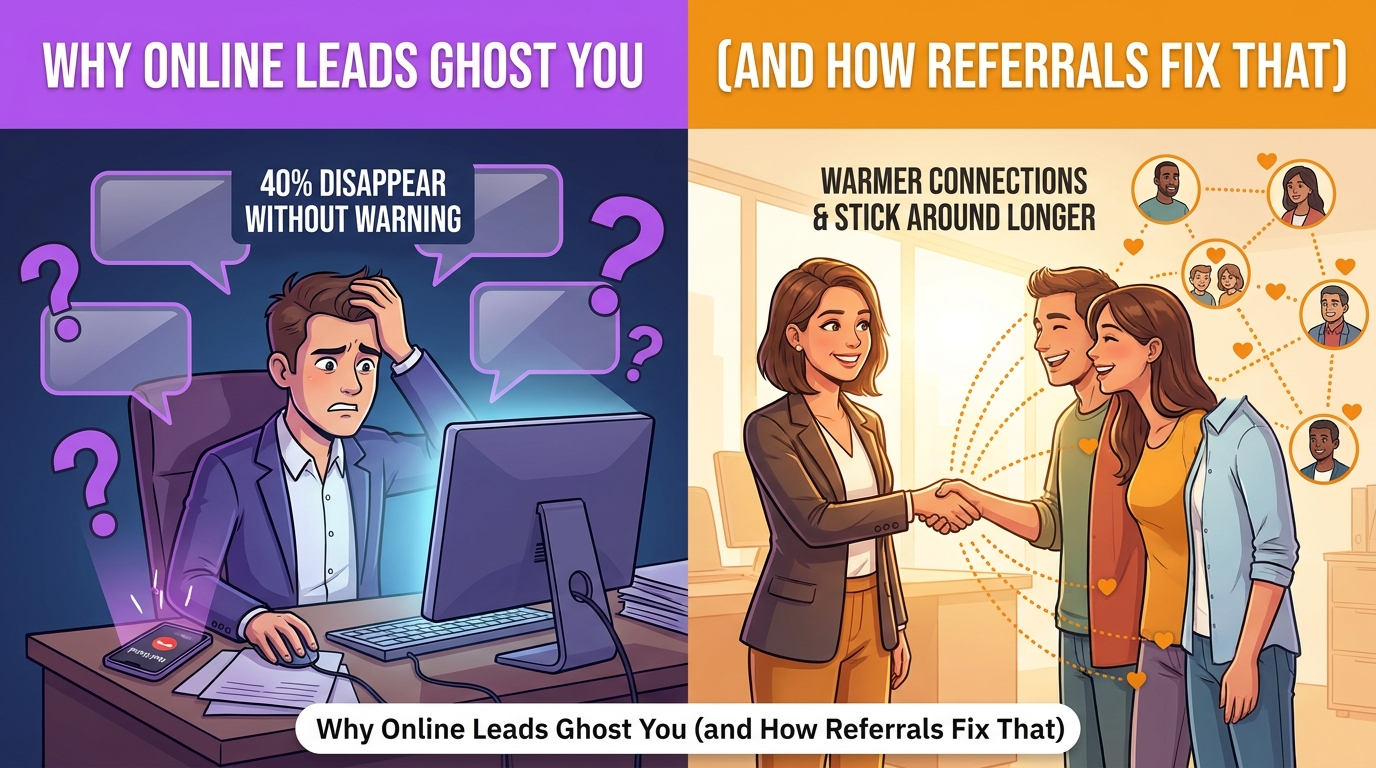
Even in our digital age, people crave authentic human connection, especially when stakes are high. An algorithm can't hold someone's hand during a stressful negotiation or talk them through cold feet at 9 PM. It can't build the kind of trust that turns one-time clients into lifelong advocates who send you real estate referrals for decades.
Local Expertise Still Wins
Another area where Opendoor's model fell short was local market knowledge. Their algorithm relied heavily on broad data patterns, but real estate is intensely local. What works in Phoenix doesn't necessarily work in Portland, and what applies to one neighborhood might be completely wrong for the area five miles away.
As agents, we live and breathe our local markets. We know which schools are about to get new funding, which developments might affect property values, and which streets flood during heavy rain. We understand the personality of different neighborhoods and can match clients to areas where they'll actually be happy.
This local expertise becomes even more valuable when working with referral leads from other markets. When someone moves from another state, they're not just looking for square footage and amenities - they need someone who can guide them to the right community for their lifestyle.
The Tech Integration Sweet Spot
Now, this doesn't mean we should ignore technology entirely. The most successful agents I know use tech tools strategically to enhance their service, not replace their expertise. CRM systems help track client preferences, market analysis tools provide supporting data for pricing recommendations, and digital marketing platforms help maintain relationships between transactions.
The key is positioning technology as a tool that makes you more effective, not as a replacement for what you bring to the table. Clients don't want to work with a robot, but they do appreciate an agent who uses smart tools to provide better service and stay organized.
Building a Sustainable Referral-Based Business
Opendoor's failure reinforces why building a referral-based business is so important for long-term success. While tech companies come and go with venture capital funding and flashy marketing campaigns, agents who focus on relationships and consistent service create sustainable businesses that weather any disruption.
The challenge many agents face isn't understanding the value of referrals, but getting enough consistent referral flow to build momentum. You can provide amazing service to your existing clients, but if you're only closing a few deals per year, it takes forever to build a referral engine that supports your business goals.
This is where having access to exclusive real estate referrals can accelerate your growth. Instead of waiting years to build up your natural referral network, you can start working with referred clients immediately while simultaneously nurturing your existing relationships.
Positioning Yourself as the Trusted Advisor
The biggest lesson from Opendoor's struggles is that consumers still want trusted advisors, not just transaction facilitators. They want someone who understands their goals, provides honest guidance even when it's not what they want to hear, and advocates for their best interests throughout the process.
This means focusing on consultation and education rather than just showing properties and writing contracts. The agents who will thrive long-term are those who position themselves as market experts and strategic advisors, helping clients make informed decisions rather than just processing transactions.
When you're working with referral leads, this advisory approach becomes even more critical. These clients have been referred to you based on trust - they're expecting expertise and guidance from someone who comes highly recommended.
The Future Belongs to Agent-Tech Partnerships
Ironically, Opendoor's new strategy might actually point toward the future of real estate technology. Instead of trying to replace agents, successful proptech companies will likely focus on making agents more effective. We're already seeing this with lead generation platforms, transaction management tools, and marketing automation systems.
The most successful agents will be those who embrace helpful technology while doubling down on what makes them uniquely valuable: local expertise, relationship building, and personalized service. It's not about choosing between high-tech or high-touch - it's about using technology to deliver better high-touch experiences.
Your Next Steps
If you're ready to build a more sustainable business based on relationships rather than hoping the next tech trend works out, focus on what actually drives long-term success: consistent cheap real estate referrals and exceptional service that creates advocates.
The real estate industry will continue evolving, and new technology companies will keep trying to "disrupt" our business. But Opendoor's expensive lesson proves that relationships, local expertise, and trusted guidance will always be at the core of successful real estate transactions.
Instead of worrying about the next Silicon Valley disruption, focus on building systems that generate consistent referral opportunities. When you have a steady flow of qualified leads to work with, you can concentrate on what you do best: helping people make smart real estate decisions and building the relationships that sustain long-term success.